
Almost 70 per cent of alcohol distribution in India happens through liquor vends or shops, while 30 per cent happens on-premise, that is, in bars, pubs, and hotels.
Besides regular buyers, there is lot of interest among those in essential services, such as health, banking, and IT. The sales will be helped by social distancing becoming the new normal in both urban and rural regions as people will be averse to using public transport.

Hotels are using a combination of platforms to reach out to the guests. These include online travel agents among others. hotels in India are offering guests an option to pay now and stay later.

Radhakishan Damani is the only billionaire to see his wealth grow by around 20% during the lockdown.

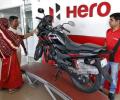
A clutch of automakers including Maruti Suzuki, Hero MotoCorp, Mercedes Benz India, Eicher Motors, TVS Motor, and Isuzu Motors India announced they had got the clearance from the governments of the states they operate in to resume operations.
Companies from Unilever to Proctor & Gamble, Nestl, Coca-Cola and PepsiCo have all alluded to lockdown challenges in India and the globe as well as the impact it will have on April-June as well as full-year numbers.

With states in north India imposing stricter measures to curb intra-state movement after April 20, makers of summer products such as air conditioners, refrigerators, colas, and ice creams are estimating a 25-60 per cent drop in yearly sales.

Executive lounges with happy hours, complimentary hors d'oeuvres, and complimentary services have been the norm - but not anymore.
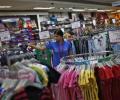
Retailers are also demanding that home delivery across all forms of retail should be allowed to ensure a level playing field.

Given that people have been reluctant to order cooked food - which worsened due to a couple of cases of delivery personnel testing positive for COVID-19 - food delivery platforms have included grocery delivery as part of their services.
Most listed corporate entities in the country are in a fix. With the sudden declaration in late March of a nationwide lockdown to tackle the Covid-19 pandemic, the final calculations of their financial results for the year 2019-20 (FY20) are hanging in limbo. Till April 19, only 41 of the 3,947 companies listed on the BSE have managed to finalise the dates for the declaration of their yearly financial results.

Data from market research agency Nielsen shows that 152 new players entered the hygiene market in March as the lockdown was implemented to contain the spread of the coronavirus disease. The trend is expected to continue, the agency says, as hygiene and health emerge as key themes.
While FMCG companies were not barred from carrying out their operations during the 21-day lockdown, since most manufacture staples and essential products, capacity utilisation remained poor, owing to the restricted movement of raw materials, finished goods, and labour.
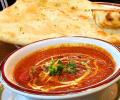
What India's top restaurants are doing to satisfy your food cravings.

'Clearly, the next few months will be very challenging for industry.' 'We are clearly in a phase where recovery is a dream.'

Top companies reported that despite most of them making staples and essential products, movement of raw material, goods and labour remained restricted, impacting sales.

According to sources, government officials have asked industry bodies and manufacturers to submit key concerns and requirements to begin manufacturing activity.

What will happen to the job placement and summer internship plans of India's management and IIT students? Many campuses are stepping in to help students hang on to their placements, in spite of the lockdown.

Overcrowding, unsanitary conditions in Asia's largest slum pose big challenges to containment.

Once the 21-day lockdown is lifted, which may happen in phases, those who have been contemplating purchasing a car may actually do it, said analysts. Thanks to social distancing norms and rising hygiene awareness, daily commuters may ditch public transport and shared mobility solutions like Ola and Uber. Many are likely to prefer the confines of a car over roughing it up in crowded public transport services such as a metro, local sub-urban trains and buses, they said.
 © 2026 Rediff.com - Investor Information - Advertise with us - Disclaimer - Privacy Policy - Sitemap - Feedback - About us - Terms of use - Grievances